TamilMV Proxy Raw Movie Quality: Untouched Prints Explained
The world of cinema is fascinating. It is full of creativity, hard work, and huge investments. But in the shadows, a complex digital world thrives. This world is movie piracy. One name you often hear is TamilMV. It focuses on pirated South Indian films. For information on other similar sites, you can check out our guide on Tamilblasters Proxy.
For many users, the site and its many mirror domains offer what they call TamilMV Proxy Raw Movie Quality. These are files that are supposedly “untouched prints.” This phrase suggests a perfect, high-quality copy of a film. It seems to come straight from the source. But is it true? What does this really mean? How do these sites get these high-quality files? They are constantly blocked and forced to move to new proxy domains.
This article will show you the truth about this digital problem. We will explore the technical secrets behind “raw” and “untouched” releases. We will also look at the complex network of TamilMV proxy sites. Finally, we will cover the real-world consequences of engaging with this shadow economy. Understanding this process is key to grasping the ongoing battle between content creators and digital pirates.
The Digital Shadow: Understanding TamilMV and Its Proxy Network
TamilMV is not just a single website; it is a brand name in the world of illegal movie distribution, particularly for films from the South Indian cinema industry. It is famous because it is fast and its files seem to be high quality.
What is TamilMV? A Brief History of a Piracy Giant
The history of TamilMV is a story of digital cat-and-mouse. Like many major piracy hubs, the site started to meet a demand. This demand was for content that was either unavailable or too expensive for some audiences. It quickly became a top source for new releases. It often uploads films within hours of their theatrical debut.
The site focuses on regional content. This includes Tamil, Telugu, Malayalam, and Kannada films. This focus has given it a dedicated user base. This makes it a persistent problem for the South Indian film industry.
The Rise of Regional Piracy
The demand for regional language films is huge. Piracy groups like TamilMV use this to their advantage. They often target new releases. This can cause big financial damage to producers and distributors. The quick move from the theater to an illegal download is a big reason why many people like it.
The Legal Battles and Domain Seizures
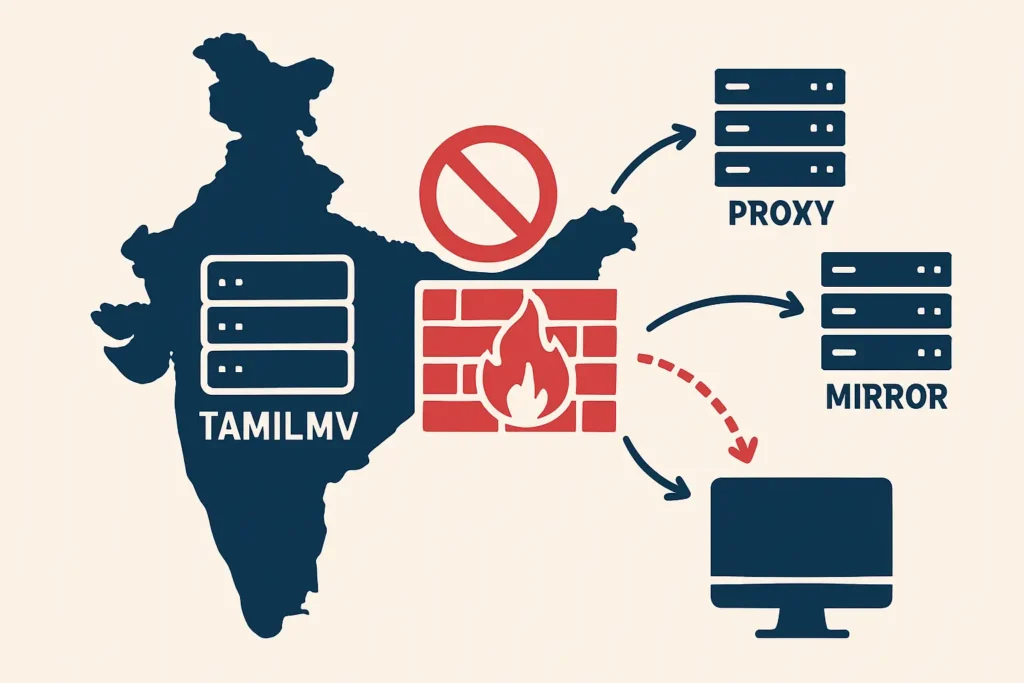
The main TamilMV domain is constantly targeted by law enforcement and anti-piracy groups. This is because of its illegal activities. Courts often order Internet Service Providers (ISPs) to block the site. This is why the original domain is often inaccessible.
Key Takeaway: TamilMV is a major source of pirated South Indian films, constantly moving to new domains to evade legal blocks.
The Proxy Paradox: Why TamilMV Needs Mirror Sites
When the main domain is blocked, the site doesn’t simply disappear. Instead, it reappears almost immediately under a new address. This is where the concept of a TamilMV proxy or mirror site comes into play.
A proxy acts as a middleman. It lets users get to the blocked content using a different web address. A mirror site is an exact copy of the original website. It is hosted on a new domain. The content, the layout, and the files are all the same. This is how they keep going. For a deep dive into the latest methods, read about TamilMV Proxy and AI Mirror Generators: 2025 Tech Deep Dive.
How a TamilMV Proxy Works
Think of a proxy as a secret back door. When your ISP blocks the main entrance (the original domain), the TamilMV Proxy provides an alternate route. It masks the user’s connection, making it seem like they are accessing a different, unblocked site.
The Difference Between Proxy, Mirror, and VPN
It is easy to confuse these terms, but they have distinct roles in accessing blocked content:
- Proxy Site: A new, unblocked web address that points to the original TamilMV server. It is a way to bypass a block.
- Mirror Site: A complete, identical copy of the TamilMV website, hosted on a different server and domain. It is a backup.
- VPN (Virtual Private Network): A tool used by the user to hide their own location and identity, making it harder for their ISP or government to track their activity.
Key Takeaway: Proxy and mirror sites ensure continuous access to TamilMV’s content, bypassing blocks and maintaining the flow of pirated content.
The Global Impact of Piracy on the Film Industry
Movie piracy causes huge financial damage. It is not a small loss. It is a multi-billion dollar problem that affects every part of making a film.
Financial Losses and Job Impact
Industry reports consistently show that piracy leads to massive revenue losses for studios, distributors, and theaters. This loss of income hurts the ability to fund future projects. For example, a report by the Federation of Indian Chambers of Commerce & Industry (FICCI) estimated that piracy costs the Indian media and entertainment industry revenue equivalent to $4 billion each year [1].
This financial drain has a ripple effect. It means fewer jobs for the thousands of people who work behind the scenes—from lighting technicians and set designers to sound engineers and visual effects artists. When a film is pirated, the people who made it are the ones who suffer the most.
Decoding the Quality: What “Raw” and “Untouched” Truly Mean
The main draw of sites like TamilMV is the promise of TamilMV Proxy Raw Movie Quality. This is a powerful marketing term in the piracy world, suggesting a level of quality far superior to the grainy, shaky camera recordings of the past.
Defining “Raw Movie Quality” in the Piracy Scene
In the context of digital media, “raw” is a term borrowed from photography and video production. It implies a file that has been minimally processed or compressed.
Raw vs. Re-encoded: Understanding Compression
When a movie is released, the original file is massive. To make it streamable or downloadable, it must be compressed.
- Lossless Compression: This method reduces file size without losing any data. The resulting file is still very large but is a perfect copy.
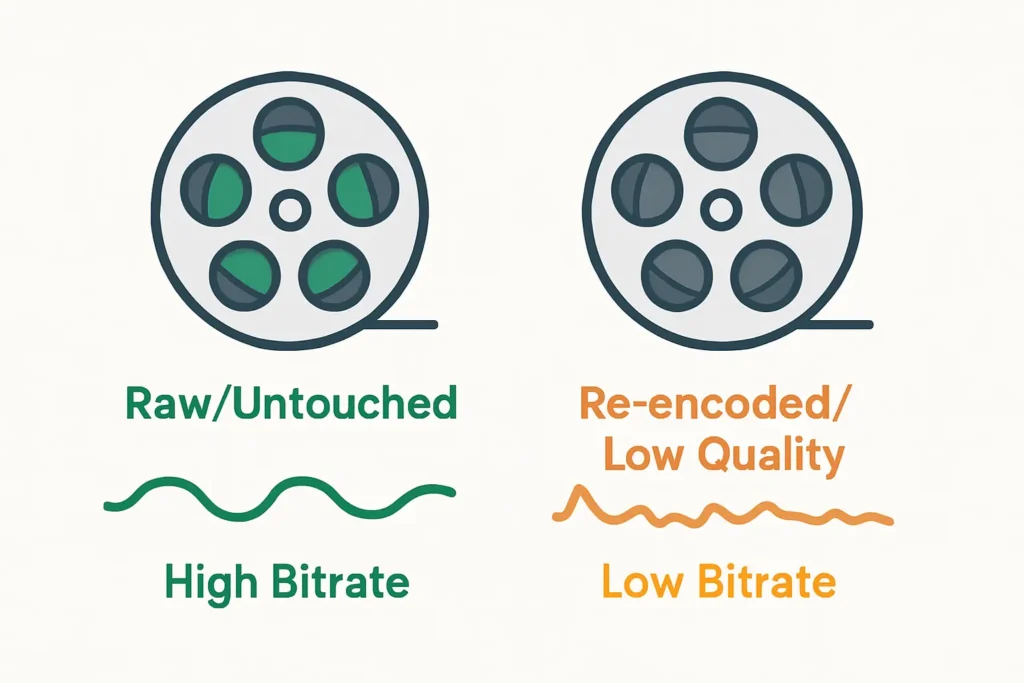
- Lossy Compression: This method reduces file size significantly by permanently removing some data. This is what happens when a file is “re-encoded” to a smaller size, often resulting in a noticeable drop in quality, especially in fast-moving scenes.
A file with raw movie quality has been compressed very little, or not at all. It keeps a high bitrate. This is the amount of data used per second of video. A higher bitrate means more detail and a clearer picture.
The Importance of Bitrate and Resolution
Resolution (like 1080p or 4K) tells you the size of the image, but bitrate tells you the quality of the image. A 1080p file with a high bitrate will look far better than a 4K file with a very low bitrate.
Key Takeaway: “Raw” means the file has minimal or no re-encoding, preserving the original high bitrate and resulting in a much larger file size.
The Myth of the “Untouched Print”
The term untouched prints is the holy grail for quality-conscious downloaders. It suggests a file that is exactly as it was when it left the studio or streaming service. While this is a slight exaggeration, some pirated releases come very close.
The “Scene” Standard: Why Untouched Matters
The highest-quality pirated releases often originate from a secretive, organized group known as “The Scene.” This group operates under strict rules, or “Scene Rules,” which dictate how a movie must be released. These rules emphasize speed and, crucially, quality.
The goal of a Scene release is to provide a file that is as close to the original source as possible. This is why the term “untouched” is used—it means the file has not been tampered with, re-encoded, or had its quality degraded by the uploader.
Common Release Tags
Pirated files use specific tags to indicate their source and quality. Understanding these tags is essential for anyone looking for the best quality:
- WEB-DL: The file was downloaded directly from a streaming service (like Netflix or Amazon Prime) before any re-encoding. This is considered a high-quality, near-untouched source.
- BluRay-Remux: The video and audio streams are copied directly from the original Blu-ray disc without any re-encoding. Only the unnecessary menus and extras are removed. This is the closest you can get to a truly untouched print.
- BDRip: The file was sourced from a Blu-ray disc but has been re-encoded to a smaller size. The quality is still good, but it is no longer “raw.”
The Gold Standard: Remux and Full Disc Rips
A Remux is often considered the gold standard for quality. It provides the full, original video and audio quality of the Blu-ray disc in a more manageable container file, usually MKV. It is a perfect, lossless copy of the movie itself.
The Technical Difference: WEB-DL vs. WEBRip
The distinction between WEB-DL and WEBRip is critical when discussing TamilMV Proxy Raw Movie Quality.
| Feature | WEB-DL (Web Digital Download) | WEBRip (Web Rip) |
|---|---|---|
| Source | Direct file download from streaming service. | Captured/recorded from a streaming service. |
| Quality | Very high, near-lossless. Considered “raw.” | Good, but quality is lost during the capture/re-encoding process. |
| Bitrate | High, original bitrate. | Lower, re-encoded bitrate. |
| File Size | Large (often 5GB to 20GB for a movie). | Smaller (often 1GB to 5GB for a movie). |
| Untouched? | Yes, the video stream is considered untouched. | No, it has been re-encoded. |
Why WEB-DL is Superior
WEB-DL is superior because it bypasses the need for screen capture. The pirates find weaknesses in the streaming service’s system. They use these to download the secret, encrypted video file directly. Once they decrypt it, the file is a perfect, digital copy of what the service intended to stream.
The Role of Digital Rights Management (DRM)
Streaming services use DRM systems, such as Widevine and PlayReady, to protect their content. These systems encrypt the video stream, ensuring only authorized devices can play it. The entire process of creating a high-quality pirated file revolves around finding a way to bypass or crack this DRM layer to access the raw, unencrypted video stream.
The Technical Pipeline: How Untouched Prints Are Sourced
The journey of an untouched print from a secure server to a TamilMV proxy is a complex, technical job. It requires specialized knowledge, powerful tools, and a high degree of coordination.
Source 1: The Digital Leak (WEB-DL and Streaming Rips)
Today, the most common source for high-quality, day-one releases is the streaming service itself. This is a significant shift from the old days of camcorders in theaters.
Cracking DRM: The Key to Lossless Streaming Copies
The main goal is to beat the DRM. Pirates do not simply record their screen; they use sophisticated methods to extract the decryption keys used by the streaming service.
Once the key is obtained, the encrypted video file can be downloaded and decrypted. The resulting file is a perfect, digital copy of the stream, complete with the highest available resolution and bitrate. This is the source of the raw movie quality that TamilMV and similar sites advertise.
The Role of Insider Leaks
While most releases are technical exploits, some high-profile films are leaked through insider channels. These can be “screeners”—copies sent to critics or awards committees—or internal distribution copies (DDC). These leaks are rare but provide a truly untouched print that predates the public release.
Key Takeaway: Most high-quality “untouched” prints today come from cracked streaming services (WEB-DL) or, less commonly, from insider leaks.
Source 2: Physical Media (Blu-ray and DVD Rips)
While streaming has taken over, physical media remains a vital source for the absolute highest quality, especially for older films or special editions.
The Process of Blu-ray Decryption
Blu-ray discs are protected by a complex encryption system called AACS. To create a Remux or a full rip, pirates use specialized software to bypass this protection. This software reads the disc, decrypts the data, and extracts the core video and audio streams.
Creating a “Raw” MKV File
The result is often a very large MKV (Matroska Video) file. MKV is a container. It can hold many video tracks, audio tracks, and subtitle files. It does this without changing the main video stream. This is how the raw movie quality is preserved. The file is a perfect digital clone of the disc’s content. It is missing only the menus and other unnecessary data.
The Uploader’s Toolkit: From Source to TamilMV Proxy
Once the untouched print is created, it must be distributed. This is a multi-step process that requires speed, security, and a robust network.
The Importance of High-Speed Uploads and Secure Networks
The files are huge—often 20GB, 50GB, or even more. Uploading these files quickly requires access to high-speed, dedicated servers, often located in countries with lax copyright enforcement. The uploader must also take extreme measures to hide their identity and location.
The Role of Torrent Trackers and Private FTP Servers
The sharing often starts on private, invite-only torrent trackers or secure FTP (File Transfer Protocol) servers. These are the first places The Scene shares the files. From there, the files are quickly copied and spread across the internet.
The Final Step: Uploading to the TamilMV Mirror Network
The final step is putting the file onto the public TamilMV proxy and mirror sites. TamilMV operators download the file from the private trackers. Then, they upload it to their own network of servers. This makes sure the content stays available, even if one mirror is taken down.
The Hidden Costs and Legal Realities of Piracy
While the technical process of obtaining TamilMV Proxy Raw Movie Quality is fascinating, it is crucial to address the serious legal and ethical implications. The convenience of a free download comes with significant hidden costs.
The Legal Risks for Users and Operators
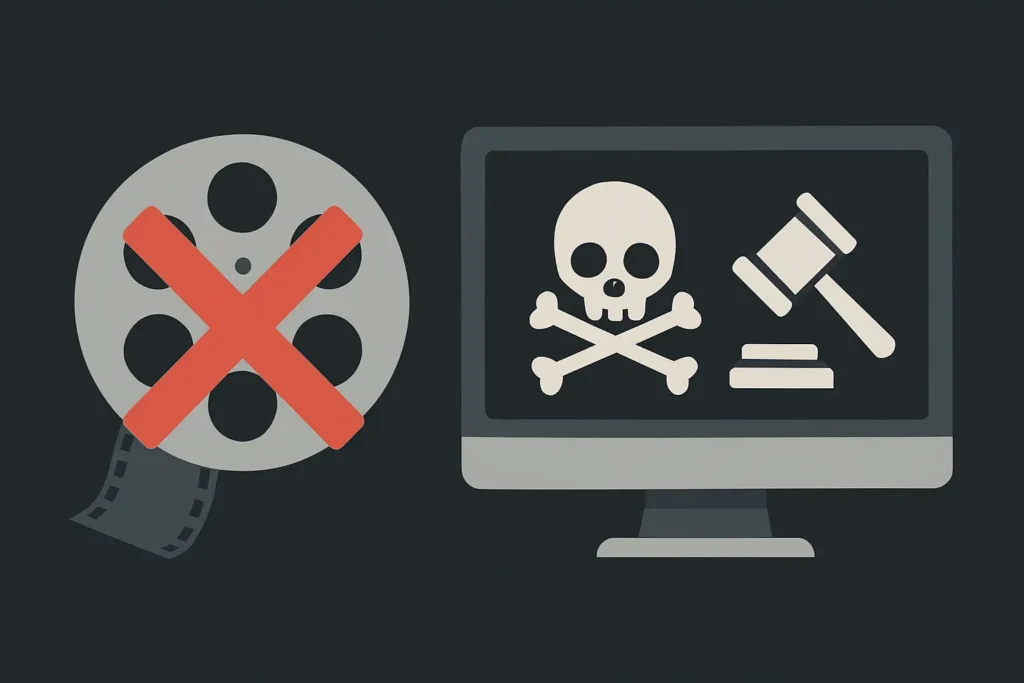
Movie piracy is illegal. It is a violation of copyright law, and the consequences can be severe for both the people running the sites and the users downloading the content.
Copyright Law and Enforcement in India and Globally
In India, copyright law is robust, and courts have actively worked to block piracy sites. Globally, organizations like the Motion Picture Association (MPA) constantly monitor and pursue legal action against major piracy operations.
For the operators of sites like TamilMV, the risk is criminal prosecution, which can lead to massive fines and imprisonment. For the end-user, while mass prosecution is rare, downloading copyrighted material is still illegal. Users can face civil lawsuits from copyright holders. In India, digital piracy can lead to imprisonment up to three years and fines up to ₹2 lakhs [2].
The Danger of Malware and Viruses on Proxy Sites
Beyond the legal risks, there is a significant digital security threat. Piracy sites are notorious for being vectors for malware, viruses, and other malicious software.
When you click a download link on a TamilMV proxy site, you are often bombarded with pop-up ads and redirects. These can lead to sites that automatically download harmful files to your computer. The promise of untouched prints often masks a dangerous digital trap.
Key Takeaway: Accessing or distributing pirated content carries significant legal and digital security risks, including potential fines and exposure to malware.
The Ethical Dilemma: Supporting the Creators
The ethical argument against piracy is simple: filmmaking is a business, and when you consume a product without paying for it, you are stealing from the people who created it.
The Value Chain of Filmmaking
A single movie is the result of thousands of hours of work by hundreds of people. Every ticket sale, every streaming subscription, and every legitimate download supports this massive value chain. When a film is pirated, that support is cut off.
The Importance of Official Streaming and Theatrical Releases
Choosing to watch a film through official channels is the only way to ensure that the creators—the actors, directors, writers, and crew—are compensated for their work. It is a direct investment in the future of cinema.
Safer Alternatives to TamilMV Proxy
The good news is that the legal landscape for South Indian cinema has dramatically improved. There are now many excellent, affordable, and safe alternatives to using a TamilMV proxy.
Official Streaming Services
Major global and regional streaming platforms have vast libraries of South Indian films. Services like Netflix, Amazon Prime Video, Disney+ Hotstar, and others offer high-quality, legitimate streams. These services provide the same raw movie quality without the legal or security risks.
The Benefits of Legal Content
Choosing legal content offers several benefits:
- Reliability: Streams are guaranteed to work and won’t be taken down.
- Safety: You are protected from malware and viruses.
- Support: You are directly supporting the film industry and its workers.
Frequently Asked Questions (FAQ)
Here are answers to some of the most common questions about TamilMV, proxy sites, and movie quality.
Q1: Is using a TamilMV Proxy site illegal?
Yes, accessing and downloading copyrighted material from a TamilMV proxy or mirror site is illegal. It constitutes copyright infringement. While the site operators face the most severe penalties, users can still face civil action or legal notices from copyright holders.
Q2: What is the difference between a WEB-DL and a Blu-ray rip?
A WEB-DL is a file downloaded directly from a streaming service, often considered an untouched print of the digital stream. A Blu-ray rip is a file sourced from a physical Blu-ray disc. A Blu-ray rip, especially a “Remux,” is often the highest quality available because Blu-ray discs typically have a higher bitrate than streaming services.
Q3: How can I tell if a movie file is truly “untouched”?
A truly untouched print will have a very large file size (often over 10GB for a 1080p movie) and will be labeled with tags like “WEB-DL,” “Remux,” or “Full Disc.” The file will also have a very high video bitrate, which you can check using media player software.
Q4: Why do TamilMV sites keep changing their domain names?
They change their domain names to evade legal blocks. When a court orders an ISP to block a specific domain (like TamilMV.com), the operators simply move the entire site to a new domain (a TamilMV proxy or mirror) to continue their operation.
Q5: Is it safe to download files from a TamilMV mirror site?
No, it is not safe. Piracy sites are high-risk environments. They often contain malicious advertising, and the downloaded files themselves can be bundled with malware, viruses, or spyware that can compromise your computer and personal data.
Q6: What does “Raw Movie Quality” usually mean for a file size?
For a full-length movie in 1080p resolution, a file with raw movie quality (a high-bitrate WEB-DL or Remux) will typically be between 8GB and 25GB. Files smaller than 5GB are almost always re-encoded and are not considered “raw.”
Q7: Does using a VPN make accessing TamilMV legal?
No, a VPN does not make an illegal act legal. A VPN can hide your IP address and encrypt your connection, which makes it harder for your ISP or copyright holders to track your activity. However, the act of downloading copyrighted material remains illegal under copyright law.
Conclusion: The Future of Untouched Prints and Digital Security
People want TamilMV Proxy Raw Movie Quality and untouched prints because they want the best viewing experience. As we have seen, the technical process behind these high-quality pirated releases is sophisticated, relying on the exploitation of DRM and a complex network of proxy and mirror sites.
However, this pursuit of digital perfection comes at a steep price. It fuels a shadow economy that costs the film industry billions and puts users at risk of legal action and digital security threats. The fight between content creators and pirates shows how much people value movies.
The best way to enjoy the highest quality films is to support the industry that creates them. Legal streaming services now offer excellent quality, often matching or exceeding the raw movie quality found on piracy sites, all while ensuring your device and your legal standing remain secure.
Support the creators and protect your device. Choose legal streaming services today.