Introduction: The Persistent Shadow of Digital Piracy
The global film industry is a magnificent engine of creativity, culture, and commerce, yet it operates under a constant, corrosive threat: digital piracy. In the Indian media and entertainment (M&E) sector, this threat is not merely theoretical; it is a tangible, multi-billion dollar problem. Consider the staggering figure: in 2023 alone, piracy cost the Indian M&E sector an estimated INR 224 billion, with a significant portion of that loss stemming directly from filmed entertainment [1]. This is the financial battlefield upon which the industry fights its daily war.

At the forefront of this battle, and perhaps the most notorious adversary in the South Indian cinema landscape, is the TamilMV proxy network. TamilMV is not a single website but a hydra-headed entity—a decentralized network of torrent sites and mirror domains that specializes in the unauthorized distribution of new movie releases, often within hours of their theatrical or streaming debut. The sheer scale and persistence of this operation, facilitated by a constantly shifting array of TamilMV proxy and mirror sites, have made it a symbol of the challenges facing copyright holders. For more on accessing the network, you can find information on tamilmv proxy free sites.
This 2025 analysis delves deep into the profound and evolving TamilMV Proxy Impact on the Film Industry. We will explore the sophisticated mechanisms by which these proxy networks operate, quantify the economic devastation they inflict across the entire value chain, and examine the legal and technological counter-offensives being deployed. Ultimately, the story of TamilMV is a microcosm of the larger struggle for intellectual property rights in the digital age, a struggle that demands not just enforcement, but fundamental innovation in how content is delivered and valued.
The Anatomy of the Threat: How TamilMV Proxy Networks Operate
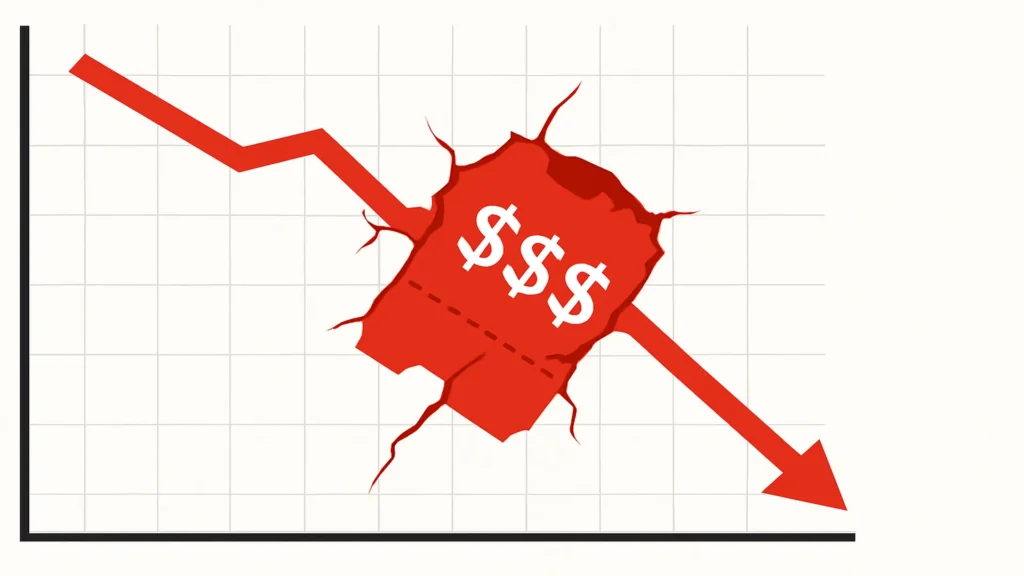
To understand the impact, one must first grasp the operational resilience of the TamilMV proxy ecosystem. It is a classic example of a “whack-a-mole” strategy, where shutting down one domain only leads to the immediate emergence of several others. This adaptability is the core reason for its longevity and success in circumventing legal and technical barriers.
The Evolving Mechanism of Access
The original TamilMV domain is often blocked by Internet Service Providers (ISPs) in compliance with court orders. However, the network thrives by leveraging a constantly refreshed list of mirror sites and proxy chains. This constant domain shifting is why users often search for the tamilmv new domain 2025.
- Proxy Chains and Mirror Sites: These are alternative URLs that host the exact same content as the original site. When one domain is taken down, users are simply redirected to the next available mirror. This decentralized approach makes it nearly impossible for authorities to achieve a permanent shutdown.
- VPNs and Decentralization: For users in regions with strict government or ISP censorship, Virtual Private Networks (VPNs) provide a simple way to bypass geographical and network blocks. Furthermore, the use of decentralized file-sharing protocols, such as torrents, ensures that the content itself is not hosted on a single, vulnerable server but is distributed across thousands of user devices globally.
- User Experience Optimization: The success of piracy sites often lies in their simplicity. They offer a vast library of content—from the latest Kollywood blockbusters to older classics—all in one place, with minimal friction and, crucially, at no direct cost. This convenience, coupled with the speed of access, often outweighs the moral or legal concerns for a segment of the audience.
Content Acquisition and Distribution Pipeline
The speed at which new releases appear on the TamilMV proxy network is alarming and directly contributes to the erosion of initial box office and streaming revenue.
- The Leak Source: Pirated content generally originates from a few key sources:
- Cam-Rips: Poor-quality recordings made secretly inside a movie theater, often the first version to appear.
- Digital Rips: High-quality copies sourced from streaming platforms (OTT) or digital distribution channels, often by exploiting security vulnerabilities or through internal leaks.
- Pre-Release Leaks: The most damaging form, where content is leaked from post-production studios, censor boards, or distribution partners before the official release date.
- Rapid Indexing: Once a clean copy is acquired, it is quickly uploaded to the torrent network and indexed by the TamilMV proxy sites. The entire process, from a film’s release to its widespread availability on these illicit platforms, can take mere hours. This rapid dissemination is a direct attack on the crucial opening weekend revenue that determines a film’s commercial success.
Economic Devastation: Quantifying the Loss in 2025
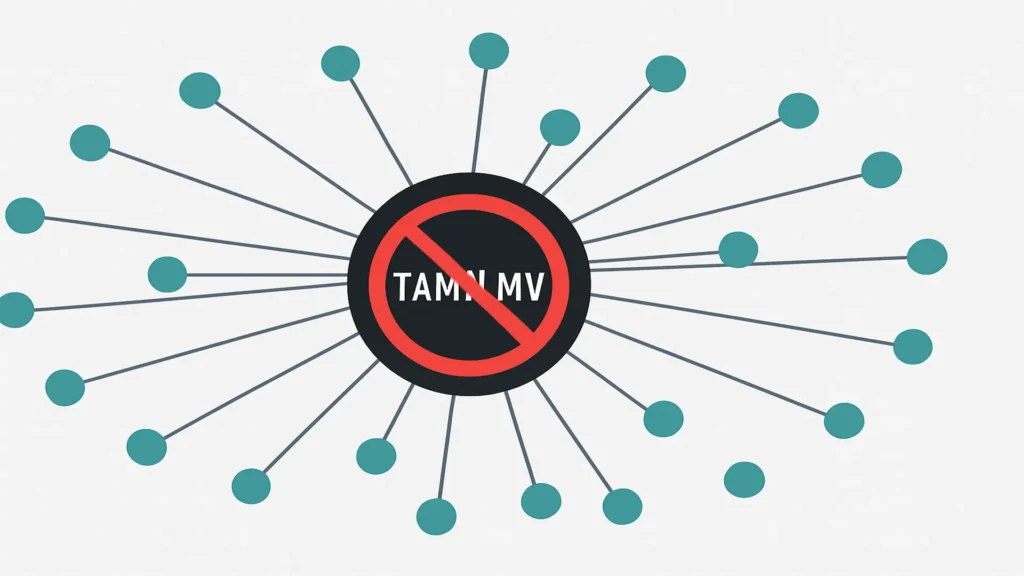
The TamilMV Proxy Impact on the Film Industry is most acutely felt in the financial domain. The losses are not just abstract numbers; they represent lost jobs, reduced investment in future projects, and a diminished creative economy.
Revenue Erosion Across the Value Chain
The financial damage permeates every layer of the film industry’s revenue model.
- Box Office Impact: The most immediate and visible loss is the direct erosion of ticket sales. The Telugu film industry alone, a major target of piracy, estimated losses of ₹3,700 crore in 2024 due to piracy [2]. The problem is not unique to TamilMV; other major piracy networks like Tamilrockers also contribute significantly to these losses, often leading to searches for how to tamilrockers unblock their sites. When a high-definition copy is available for free online, a significant portion of the potential audience is diverted away from theaters.
- OTT and Digital Rights: In the modern era, the sale of digital streaming rights to Over-The-Top (OTT) platforms is a primary source of revenue for producers. Piracy severely devalues these rights. Why would a platform pay a premium for exclusivity if the content is already freely available on a TamilMV proxy site? This devaluation threatens the entire financial sustainability of the streaming ecosystem.
- Ancillary Markets: The ripple effect extends to music rights, satellite broadcasting rights, and merchandise sales. Every pirated download represents a lost opportunity for legitimate consumption across all these secondary markets.
Macroeconomic Consequences for India’s Creative Economy
The problem transcends individual film losses and becomes a national economic concern.
- Job Losses and Investment Deterrence: The film industry employs millions, from actors and directors to technicians, set builders, and theater staff. Revenue loss translates directly into fewer films being produced, leading to job cuts and a reduction in overall industry investment.
- Tax Revenue Drain: Every legitimate ticket, subscription, or digital purchase generates tax revenue for the government. Piracy operates entirely outside this system, resulting in a substantial drain on the national exchequer.
- Future Projections: The long-term outlook is sobering. A 2025 report projected that if piracy remains unchecked, India’s digital video sector could face a cumulative loss of US$2.4 billion and 158 million users by 2029 [3]. This figure underscores the urgency of the anti-piracy fight.
| Revenue Stream | Direct Impact of TamilMV Proxy | Consequence |
|---|---|---|
| Box Office | Immediate diversion of audience from theaters. | Loss of crucial opening weekend revenue. |
| OTT Rights | Devaluation of digital exclusivity and subscription models. | Reduced acquisition budgets for streaming platforms. |
| Ancillary Rights | Loss of revenue from music, satellite, and international sales. | Reduced investment in secondary content creation. |
| Government | Transactions occur outside the tax system. | Significant drain on national tax revenue. |
Credible Source 1: EY and IAMAI reports on the Indian M&E sector piracy figures.
Credible Source 2: The Hindu report on the Telugu film industry’s estimated losses.
Credible Source 3: IP House/MPA/CII report on the projected loss to India’s digital video sector.
The Legal and Technological Counter-Offensive in 2025
The fight against the TamilMV proxy network is a two-pronged effort: strengthening the legal framework and deploying cutting-edge technology. The year 2025 marks a period of heightened action and legislative clarity in India.

Strengthening the Legal Framework
The Indian government and judiciary have recognized the need for more robust and agile legal tools to combat the decentralized nature of digital piracy.
- The Cinematograph (Amendment) Bill, 2023: This landmark legislation introduced stringent provisions specifically targeting digital piracy. It criminalizes the unauthorized transmission of copyrighted content, including the act of camcording in theaters. This bill provides a much-needed legal backbone for enforcement agencies to pursue those operating and facilitating sites like TamilMV proxy [4].
- Dynamic Injunctions: This is arguably the most effective legal weapon against the “whack-a-mole” problem. A dynamic injunction allows a court to issue an order that not only blocks a known pirated domain but also automatically extends the block to any new mirror or proxy sites that subsequently emerge, without the need for a fresh court application. This legal agility is essential for keeping pace with the rapid domain shifting employed by the TamilMV network.
Technological Anti-Piracy Measures
Legal action must be supported by sophisticated technology to track and neutralize pirated content.
- Watermarking and Fingerprinting: Studios now embed unique, invisible digital watermarks into every copy of a film distributed to theaters, censor boards, and streaming partners. If a pirated copy appears online, the watermark can be traced back to the exact source of the leak, allowing producers to identify and prosecute the responsible party. Content fingerprinting uses algorithms to create a unique digital signature for a film, allowing automated systems to scan the internet and identify unauthorized copies, even if they have been slightly altered.
- AI and Machine Learning: Anti-piracy agencies are increasingly using Artificial Intelligence (AI) and Machine Learning (ML) to monitor the vast expanse of the internet. These systems can:
- Predictive Monitoring: Identify patterns in piracy site behavior to anticipate the launch of new TamilMV proxy domains.
- Automated Takedowns: Automatically detect and issue takedown notices for thousands of pirated links across social media, hosting sites, and search engines.
- The Role of Anti-Piracy Agencies: Specialized firms like AIPLEX Anti-Piracy are on the front lines, working 24/7 to enforce court orders, monitor leaks, and coordinate with law enforcement. Their efforts are crucial in translating legal mandates into practical, real-world enforcement.
Credible Source 4: Reference the Cinematograph (Amendment) Bill, 2023.
Case Studies and Real-World Examples (2024-2025)
The abstract battle against the TamilMV proxy network is best illustrated through the experiences of the South Indian film industry, which bears the brunt of this digital assault.
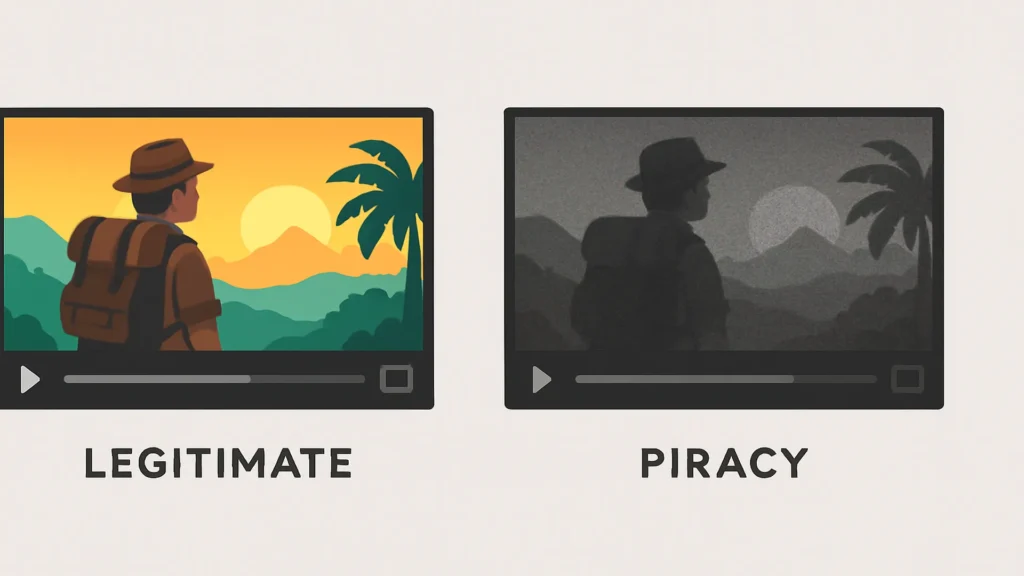
The South Indian Film Industry’s Battle
The regional cinema industries, particularly Kollywood (Tamil) and Tollywood (Telugu), are frequent and high-value targets. Their films often command massive initial fan interest, making them prime targets for rapid piracy.
- High-Profile Leak Response: In 2024, a major Telugu film faced a pre-release leak that was immediately indexed by the TamilMV proxy network. The producers, in coordination with anti-piracy firms, launched an unprecedented digital counter-attack. They successfully secured a dynamic injunction and used AI-driven tools to issue over 50,000 takedown notices within the first 48 hours. While the damage was significant, the rapid response mitigated what could have been a catastrophic loss. This case highlighted the critical importance of a pre-planned, immediate response strategy.
- Pre-Release vs. Post-Release Impact: The impact of a pre-release leak is exponentially more damaging than a post-release digital rip. A pre-release leak destroys the theatrical window entirely, whereas a post-release rip primarily affects the subsequent OTT and satellite revenue streams. The focus of anti-piracy efforts has therefore shifted heavily toward securing content during the sensitive pre-release phase.
The Shift in Consumer Behavior
The existence of the TamilMV proxy network is sustained by consumer demand, which is influenced by several complex factors.
- The Paradox of Content Abundance: We live in an age of unprecedented content availability through platforms like Netflix, Amazon Prime Video, and Disney+ Hotstar. Yet, piracy persists. This suggests that the issue is not merely one of access, but of value and convenience.
- Subscription Fatigue: Consumers are increasingly overwhelmed by the number of streaming services required to access all their desired content. The cost of multiple subscriptions can quickly become prohibitive, leading some users to seek a single, free source—the TamilMV proxy network—to consolidate their viewing.
- Regional Content Availability: While major platforms are improving, there are still instances where specific regional films are not immediately available in all territories or on preferred platforms. This gap in the market is quickly exploited by piracy sites, which offer a comprehensive, region-agnostic library.
Beyond Enforcement: Sustainable Solutions for the Film Industry
While legal and technological enforcement is necessary to combat the immediate threat posed by the TamilMV proxy network, a sustainable, long-term solution requires a fundamental shift in the industry’s approach to content delivery. The goal must be to make the legal option so compelling and convenient that piracy becomes an unattractive alternative.
Enhancing the Value Proposition of Legitimate Content
The most effective way to fight piracy is to compete with it on convenience, price, and quality.
- Simultaneous Global Release: Piracy thrives in the time gap between a film’s release in its home market and its availability in international territories. Reducing this window—or, ideally, implementing a simultaneous global release—removes a key incentive for international audiences to seek out pirated copies.
- Affordable and Flexible Subscription Models: The industry must move towards more consumer-friendly pricing. This could include:
- Tiered Pricing: Offering lower-cost, ad-supported tiers.
- A La Carte Options: Allowing users to rent or buy individual films without a full subscription commitment.
- Regional Bundles: Partnering across platforms to offer a single, affordable subscription for a wide range of regional content.
- Exclusive Content and Premium Experiences: Legitimate platforms must offer what piracy cannot:
- 4K/HDR Quality: Providing superior video and audio quality that pirated streams often lack.
- Bonus Features: Exclusive behind-the-scenes content, director’s cuts, and interactive features.
- Reliability and Safety: Guaranteeing a viewing experience free from malware, intrusive ads, and legal risk.
Education and Awareness Campaigns
Changing consumer behavior is a long-term project that requires education and ethical persuasion.
- Targeting Younger Audiences: Campaigns need to clearly articulate the link between piracy and the livelihoods of the creative community. The message should be: “When you download from a TamilMV proxy site, you are directly harming the people who make the films you love.”
- Highlighting the Risks of Piracy Sites: Awareness campaigns should focus on the tangible risks to the user, such as:
- Malware and Viruses: Piracy sites are often vectors for malicious software.
- Data Theft: Users risk exposing personal information through deceptive ads and downloads.
- Legal Consequences: While individual prosecution is rare, the act remains illegal and carries risks.
The Future Landscape: TamilMV Proxy and the Road Ahead (2025-2030)
The battle against the TamilMV proxy network is far from over. As technology evolves, so too will the methods of both the pirates and the anti-piracy forces. The period between 2025 and 2030 will be defined by a race for technological supremacy.
The Role of Blockchain and Web3 in Content Distribution
While still nascent, decentralized technologies offer a potential paradigm shift in content distribution.
- Immutable Records: Blockchain technology could create an immutable, transparent record of content ownership and distribution rights, making it harder for unauthorized copies to be inserted into the legitimate supply chain.
- Tokenized Access: Future models might involve tokenized access to content, where a film is encrypted and only viewable by users who possess a specific, traceable digital token. This could fundamentally change how content is licensed and consumed, potentially bypassing the centralized vulnerabilities that sites like TamilMV proxy currently exploit.
A Two-Front War
The future success of the film industry in combating piracy will rely on the simultaneous execution of a two-front strategy:
- Legal and Technological Pressure: Maintaining the pressure with dynamic injunctions, AI-driven takedowns, and advanced watermarking to make the operation of piracy sites increasingly difficult, costly, and risky.
- Market Innovation: Continuously innovating the legitimate content offering to ensure it provides superior value, convenience, and quality compared to the pirated alternative.
The TamilMV Proxy Impact on the Film Industry in 2025 is a story of resilience—both the resilience of a criminal network and the determined resilience of the creative community fighting to protect its work. The ultimate victory will not come from simply blocking a website, but from winning the hearts and wallets of the consumer through a better, more ethical product.
Frequently Asked Questions (FAQ)
Q1: Is using a TamilMV proxy site illegal?
A: Yes, accessing and downloading copyrighted material from a TamilMV proxy site constitutes copyright infringement and is illegal in India and many other countries. While enforcement often targets the operators, users are still participating in an unlawful activity and face legal risks.
Q2: How much revenue does the film industry lose to piracy annually?
A: The Indian media and entertainment sector faced an estimated loss of INR 224 billion due to piracy in 2023. Projections suggest that the digital video sector alone could lose US$2.4 billion by 2029 if anti-piracy measures are not rigorously enforced.
Q3: What is a dynamic injunction, and how does it fight sites like TamilMV?
A: A dynamic injunction is a court order that blocks a known pirated website and automatically extends the block to any new mirror or TamilMV proxy sites that appear. It is a crucial legal tool designed to counter the pirates’ “whack-a-mole” strategy of constantly changing domain names.
Q4: Why do pirates target South Indian films so frequently?
A: South Indian films, particularly those from Kollywood and Tollywood, have a massive, passionate, and often global fan base, leading to high initial demand. This high demand makes them lucrative targets for piracy networks like TamilMV, which specialize in regional content.
Q5: What are the risks of downloading from a TamilMV mirror site?
A: Beyond the legal risks of copyright infringement, users face significant personal risks, including exposure to malware, viruses, and intrusive advertisements that can lead to data theft or compromise their device security.
Q6: How can I legally watch new Tamil movies online?
A: You can legally watch new Tamil movies by subscribing to legitimate Over-The-Top (OTT) streaming platforms such as Netflix, Amazon Prime Video, Disney+ Hotstar, ZEE5, and Sun NXT. These platforms offer high-quality, safe, and legal access to content.
Q7: Will AI technology stop piracy completely by 2030?
A: While AI and Machine Learning are powerful tools for automated detection and takedown, it is unlikely they will stop piracy completely. The battle is a continuous technological arms race. AI will significantly reduce the scale of piracy, but a complete end requires a combination of technology, law, and market innovation.
Conclusion: A Call for Collective Action
The TamilMV Proxy Impact on the Film Industry in 2025 serves as a stark reminder that the fight for intellectual property is an ongoing, evolving challenge. The network’s resilience, built on proxy chains and decentralized access, demands an equally resilient and multi-faceted response from the creative community, the government, and technology providers.
The future of the film industry—its ability to create, innovate, and employ—rests on the success of this collective action. The legal framework is stronger, the technology is smarter, and the market is more competitive than ever before. But the ultimate power lies with the consumer.
Choose to support the art you love. Every time you choose a legal streaming platform over a TamilMV proxy site, you cast a vote for the future of cinema.