Beginner’s Guide: Setting Up a Proxy for TamilMV Safely
Introduction: Understanding the Need for a Proxy
Have you ever tried to access a website only to be met with a frustrating message that says, “Access Denied” or “This site is blocked in your region”? This is a common problem for many internet users, especially when trying to reach sites that host regional content, such as certain streaming platforms or information portals. The internet feels open, but it has many hidden borders and restrictions.
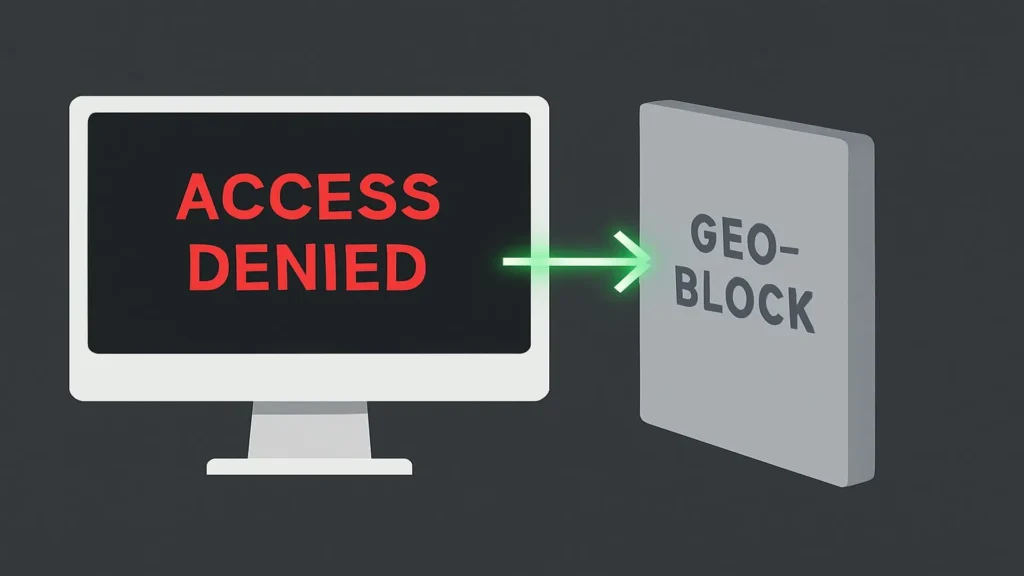
For users who want content from sites like TamilMV, which are often blocked, finding a reliable way to get past these blocks is key. This is why learning about setting up a proxy is so important. These blocks can come from your government, your internet company (ISP), or the website itself. A blocked connection can feel like a dead end.
This is where the concept of a proxy server comes into play. A proxy is a powerful tool that can act as your digital go-between, allowing you to access content that would otherwise be out of reach. It is a fundamental piece of technology for anyone serious about digital freedom and privacy. This guide will teach you the right way of setting up a proxy.
This guide will show you how to set up a proxy for sites like TamilMV. We will focus on how to set up a proxy safely. We will cover the basic technology and the steps to set it up. Our main focus is on safety and legality. Using a proxy is a powerful tool. You must use it wisely to keep your data safe and follow the law. This is key to setting up a proxy correctly. We will look at different proxy types, compare them to VPNs, and give clear steps for beginners — for related proxy lists, access methods, and safety notes see TamilMV Biz Proxy List: Access, Risks, and Alternatives.
Proxy Fundamentals: What is a Proxy and How Does it Work?
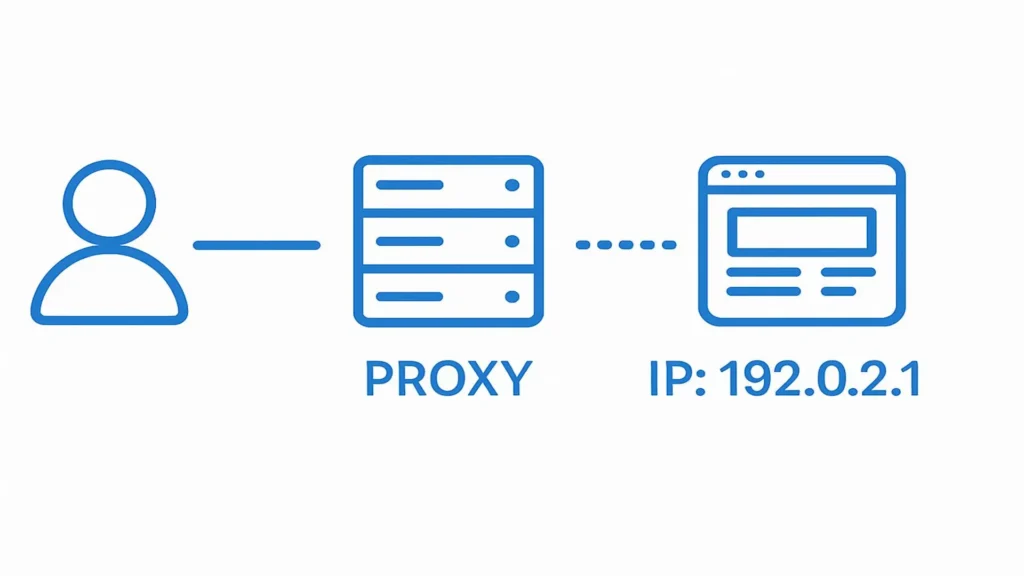
To use a proxy well, you must first know what it is and how it works. Think of a proxy server as a middleman or a digital shield between your computer and the internet. You connect to the proxy server first, instead of connecting directly to a website.
The Simple Definition of a Proxy Server
A proxy server is just another computer on the internet with its own address (IP). When you set your device to use a proxy, all your internet requests go through this server. It takes your request, handles it, and then sends it to the website you want. This is how it works.
The key function is simple: the website does not see your real IP address. It sees the proxy server’s IP address instead. This simple change lets you get past blocks and stay private. This is the main benefit of setting up a proxy. Setting up a proxy is simple, but the benefits are huge.
Key Takeaway: A proxy server acts as an intermediary between your device and the internet, masking your real IP address with its own.
Step-by-Step: The Proxy Connection Process
Understanding the flow of data makes setting up a proxy much clearer. The entire process happens very fast, but it involves four distinct steps:
- Your Request: You type a website address (like a TamilMV proxy URL) into your browser. Your device sends this request to the proxy server, not the website.
- The Masking: The proxy server receives your request. It then strips away your original IP address and replaces it with its own. This is the crucial step for bypassing blocks.
- The Forwarding: The proxy server forwards the modified request to the target website. The website believes the request is coming from the proxy’s location.
- The Return Trip: The target website sends the requested data (the webpage content) back to the proxy server. The proxy then sends that data back to your device, and the page loads in your browser.
This cycle is repeated for every piece of data you send and receive while connected to the proxy.
Visual Suggestion: A simple, four-panel diagram illustrating the data flow: User -> Proxy -> Website -> Proxy -> User. Label the IP addresses at each stage.
Why Use a Proxy? (The Core Benefits)
People use proxies for a variety of reasons, ranging from simple convenience to complex corporate security needs. When considering setting up a proxy for sites like TamilMV, these are the main benefits you are seeking:
- Bypassing Geo-Restrictions and Network Blocks: This is the most common reason. If a site is blocked in your country or by your school/work network, a proxy can make it appear as if you are accessing the site from an unblocked location.
- Enhanced Privacy and Anonymity: By hiding your real IP address, a proxy makes it harder for websites, advertisers, and even your ISP to track your online activity back to your physical location.
- Improved Security (in some cases): Some advanced proxies can filter out malicious traffic, block access to known dangerous sites, and even scan incoming data for viruses, adding a layer of protection.
- Caching for Faster Loading Times: Many proxies store copies of frequently visited web pages (caching). If you request a page that the proxy has recently served to another user, it can deliver the cached copy instantly, speeding up your browsing.
Types of Proxies: Choosing the Right Tool for the Job
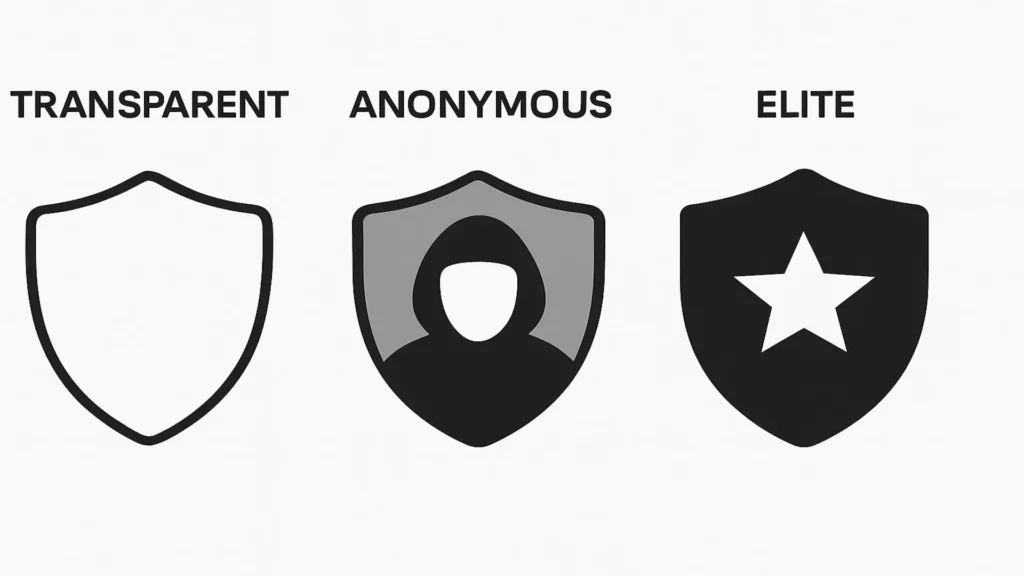
Not all proxies are created equal. They come in different forms, each with varying levels of anonymity, speed, and cost. Choosing the right type is essential for successfully setting up a proxy that meets your needs without compromising your security.
Transparent, Anonymous, and Elite Proxies
Proxies are often categorized by the level of anonymity they provide to the user:
| Proxy Type | Anonymity Level | Identification to Website | Best Use Case |
|---|---|---|---|
| Transparent | None | Reveals your real IP and identifies itself as a proxy. | Caching, filtering (e.g., corporate networks). Avoid for privacy. |
| Anonymous | Medium | Hides your real IP but identifies itself as a proxy. | General browsing, bypassing simple geo-blocks. |
| Elite (High Anonymity) | High | Hides your real IP and does not identify itself as a proxy. | Bypassing strict blocks, high-security browsing. |
If you want to access restricted content, you should always aim for an Anonymous or Elite proxy. Transparent proxies give you no privacy and are easy to find. This is a vital step in setting up a proxy. The right choice makes all the difference.
Residential vs. Datacenter Proxies
This distinction is crucial for bypassing sophisticated blocking mechanisms used by large websites.
- Datacenter Proxies: These are IP addresses provided by a commercial server farm. They are very fast and reliable, but they are also easy for websites to identify and block. If a site like TamilMV blocks a range of IP addresses known to belong to a datacenter provider, your proxy will fail.
- Residential Proxies: These are IP addresses assigned by an Internet Service Provider (ISP) to a real homeowner. Websites see this traffic as coming from a regular, legitimate user. This makes them much harder to detect and block. While they can be slower than datacenter proxies, they are highly recommended for bypassing strict geo-blocks and maintaining a low profile.
SOCKS vs. HTTP/HTTPS Proxies
These terms refer to the protocol the proxy uses to handle your data:
- HTTP/HTTPS Proxies: These are the most common type and are designed specifically for web traffic (HTTP and HTTPS). They are excellent for browsing websites and are the easiest to configure in a web browser.
- SOCKS Proxies (SOCKS4/SOCKS5): SOCKS stands for Socket Secure. This protocol is more flexible because it can handle any type of network traffic, not just web pages. This includes email, torrents, and gaming. SOCKS5 is the newer, more secure version, often including authentication and supporting both TCP and UDP connections.
The Critical Legal and Safety Considerations
Before you proceed with setting up a proxy, you must fully understand the legal and safety landscape. This is the most important section of this tutorial, as irresponsible use can lead to serious consequences.
The Legality of Using a Proxy Server
Let us be clear: Using a proxy server is legal in most countries. The technology itself is a legitimate tool used daily by businesses for security, market research, and network management. Using a proxy to access public domain content, protect your privacy, or bypass censorship in oppressive regimes is generally considered a legal and ethical use.
Key Takeaway: The proxy is a neutral tool. Its legality depends entirely on the activities you perform while using it.
The Legal Risks of Accessing Copyrighted Content (The TamilMV Context)
The sites you are trying to access, like TamilMV, often host content protected by copyright laws. This is where the legal risk lies.
Using a proxy to access or download copyrighted material without permission is copyright infringement. This is illegal in almost every country with intellectual property laws.
A proxy can hide your IP address from the website, but it does not make the action legal. If your proxy provider keeps logs (many free ones do), or if police track your connection another way, you could still face legal trouble. Penalties for copyright infringement can be large fines or, in rare cases, criminal charges [1].
In 2023, a study on digital piracy showed that millions of users still access content without permission, even with more police action [2]. They often use tools like proxies and VPNs. However, the law is always changing, and police tracking is getting smarter.
Crucial Warning: We strongly advise against using any proxy or VPN to access or download copyrighted material. This tutorial is intended for users seeking to access legitimate, geo-restricted content or to enhance their privacy while browsing legal websites.
Safety Risks of Free Proxies
The internet is full of “free proxy lists” and free proxy services. While the price is appealing, the cost to your security and privacy can be catastrophic. Avoid free proxies at all costs.
Free proxies pose several major safety risks:
- Data Interception (Man-in-the-Middle Attacks): The operator of a free proxy can easily watch, record, and even change the data that passes through their server. This means they can steal your passwords, credit card numbers, and personal information.
- Malware Injection: Some free proxies are known to inject malicious code or advertisements into the web pages you view, potentially infecting your device with viruses or spyware.
- Logging and Selling User Data: Free services need to make money somehow. They often do this by logging every site you visit and selling that detailed browsing history to third-party advertisers or data brokers. This completely defeats the purpose of setting up a proxy for privacy. Never use a free service when setting up a proxy. Always pay for a good service.
- Poor Performance: Free proxies are typically overloaded with users, resulting in painfully slow speeds and frequent disconnections.
Recommendation: Always use a reputable, paid proxy or VPN service. The small monthly fee is a worthwhile investment in your digital security and peace of mind.
Step-by-Step Guide: Setting Up a Proxy (Beginner-Friendly)
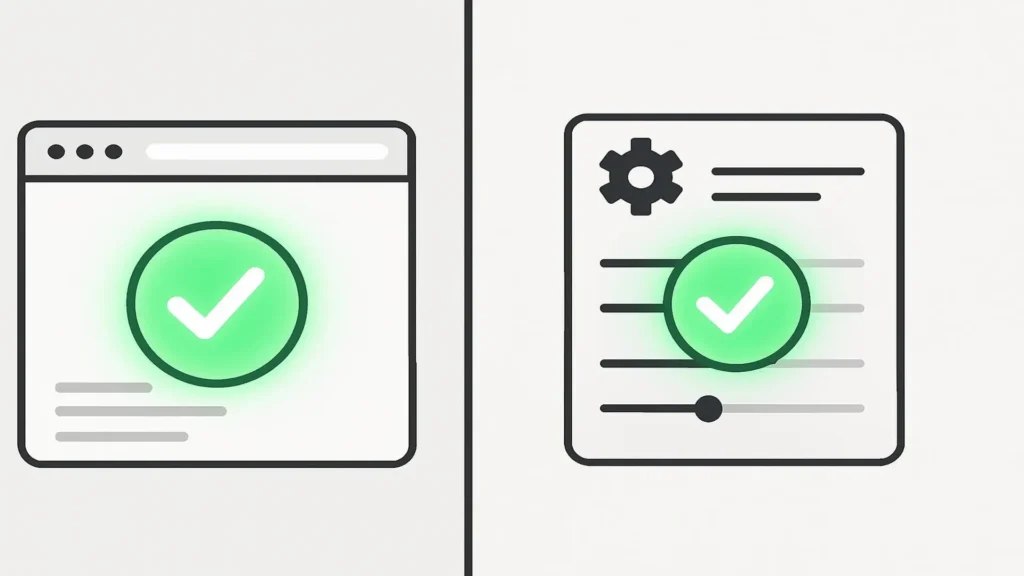
Once you have chosen a reputable, paid proxy provider, the process of setting up a proxy is surprisingly straightforward. We will cover the two most common methods for setting up a proxy: using a browser extension and configuring your operating system.
Prerequisite: Choosing a Secure and Reputable Proxy Provider
Before the technical setup, ensure your provider meets these minimum security standards:
- No-Logs Policy: The provider must explicitly state that they do not log your activity.
- Strong Encryption: Look for support for SSL/TLS encryption, especially if you are using an HTTP proxy.
- Authentication: The proxy should require a username and password to prevent unauthorized use.
- Reliable Support: 24/7 customer support is essential for troubleshooting connection issues.
Method 1: Browser Extension Setup (Easiest)
This method is ideal if you only want to route your web browser traffic through the proxy, leaving other applications on your device untouched.
- Install a Proxy Manager Extension: Search your browser’s extension store (Chrome Web Store, Firefox Add-ons) for a popular proxy manager like FoxyProxy or Proxy SwitchyOmega. Install the extension.
- Gather Proxy Details: Your proxy provider will give you three pieces of information: the Proxy IP Address (or hostname), the Port Number, and your Authentication Credentials (username and password).
- Configure the Extension:
- Open the extension’s settings panel.
- Click “Add New Proxy” or a similar option.
- Select the protocol (HTTP, HTTPS, or SOCKS5) provided by your service.
- Enter the Proxy IP Address and Port Number into the respective fields.
- Enable the authentication option and enter your username and password.
- Give the profile a memorable name (e.g., “Residential Proxy US”).
- Activate and Test: Click the extension icon in your browser toolbar and select the proxy profile you just created. Your browser traffic is now routed through the proxy.
Method 2: Operating System (OS) Level Setup (System-Wide)
This method routes all internet traffic from your device through the proxy, affecting every application, not just your browser.
Windows Setup:
- Go to Settings (Windows Key + I).
- Click on Network & Internet.
- Select Proxy from the left-hand menu.
- Under the “Manual proxy setup” section, toggle the switch to On.
- Enter the Proxy IP Address and Port Number provided by your service.
- Click Save. Windows will now prompt you for the proxy username and password when you first try to access the internet.
macOS Setup:
- Go to System Settings (or System Preferences on older versions).
- Click on Network.
- Select the network connection you are currently using (e.g., Wi-Fi) and click Details (or Advanced).
- Click the Proxies tab.
- Check the box next to the protocol you are using (e.g., “Web Proxy (HTTP)” or “Secure Web Proxy (HTTPS)”).
- Enter the Proxy IP Address and Port Number.
- Check the box for “Proxy requires password” and enter your credentials.
- Click OK and then Apply.
Key Takeaway: OS-level setup is more comprehensive, routing all traffic through the proxy, which can be beneficial but also more disruptive if the proxy fails.
Verifying Your Proxy Connection
After setting up a proxy, you must confirm that it is working correctly and that your real IP address is hidden. This final check is vital.
- Disconnect the Proxy: First, visit a website like “What Is My IP Address” and note down your real, local IP address.
- Connect the Proxy: Activate the proxy using your chosen method (extension or OS settings).
- Check Again: Visit the same “What Is My IP Address” website. If the displayed IP address is the one belonging to your proxy server, your setup is successful.
Beyond Proxies: The Superior Alternative (VPNs)
While proxies are effective for specific tasks like bypassing simple geo-blocks, they are often overshadowed by a more robust and secure technology: the Virtual Private Network (VPN). For most users, especially those concerned with privacy and security, a VPN is the better choice.
Why a VPN is Often Better than a Proxy
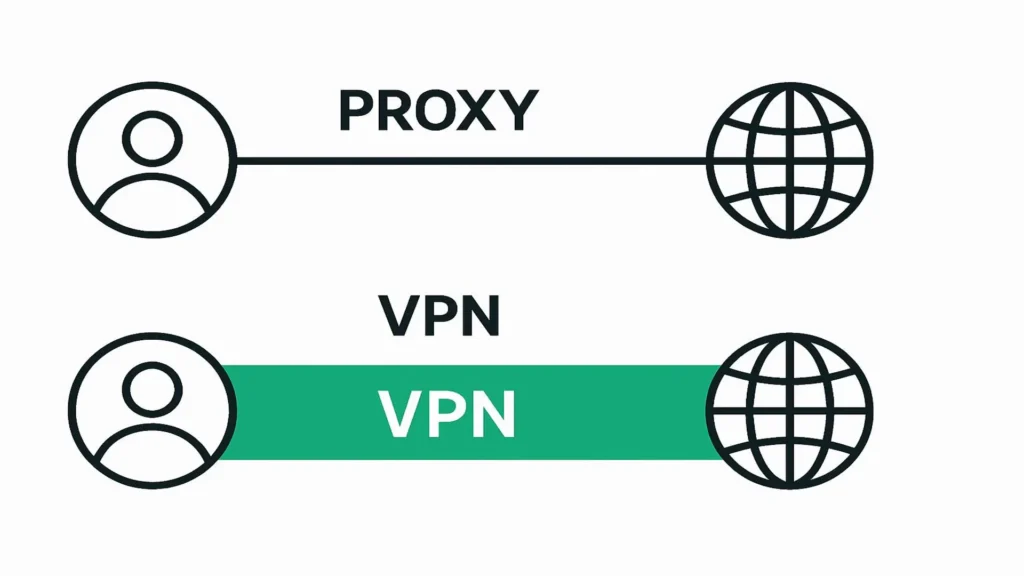
The main difference between a proxy and a VPN is how much they protect you. A proxy is like a locked door on one room. A VPN is like a secure tunnel for your whole house.
| Feature | Proxy Server | Virtual Private Network (VPN) |
|---|---|---|
| Encryption | Often none (especially HTTP proxies). | Always uses strong, military-grade encryption (e.g., AES-256). |
| Scope of Protection | Application-specific (usually just the browser). | System-wide (protects all apps, games, and background processes). |
| Data Handling | Handles data packets at the application layer. | Handles data packets at the network layer, creating a secure tunnel. |
| Stability | Can be unstable, especially free or cheap options. | Generally more stable and reliable with dedicated infrastructure. |
| Security | Low; prone to data logging and Man-in-the-Middle attacks. | High; designed specifically for security and privacy. |
The Role of VPNs in Digital Privacy
A VPN works by creating an encrypted “tunnel” between your device and the VPN server. All your data travels through this tunnel. This makes it unreadable to your ISP, government agencies, and hackers.
This secure tunnel is vital. If someone intercepts your data, they will only see scrambled, meaningless information. Good VPNs also have a kill switch. If your VPN connection suddenly stops, the kill switch immediately cuts off your internet. This makes sure your real IP address is never shown by mistake.
The Only Truly Safe and Legal Way to Access Content
While proxies and VPNs can help you access geo-restricted content, it is crucial to remember the legal context. The only truly safe and legal way to access movies, shows, and other media is through authorized, legal streaming services and content providers.
Many legitimate streaming services now offer vast libraries of regional content. Supporting these services ensures that creators and artists are fairly compensated for their work. If you are looking for a specific regional film, check if it is available on a legal platform first.
Advanced Proxy Techniques and Troubleshooting
For users who have mastered the basics of setting up a proxy, there are a few advanced concepts and troubleshooting tips that can enhance your experience.
Proxy Chains and Cascading Proxies
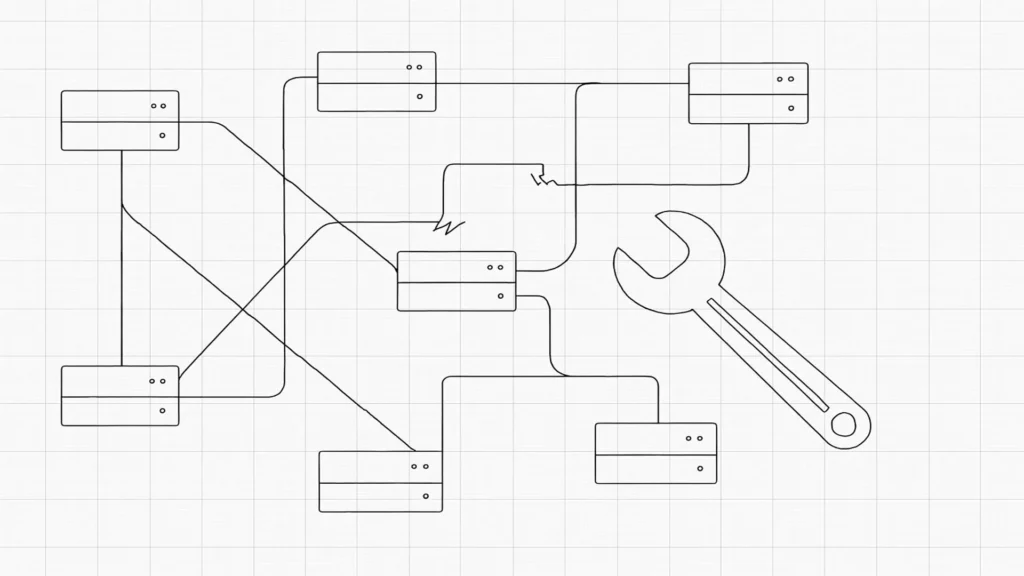
For maximum anonymity, some advanced users employ a technique called “proxy chaining.” This involves routing your internet traffic through a sequence of two or more proxy servers, one after the other.
For example, your request might go: Your Device -> Proxy 1 (US) -> Proxy 2 (Germany) -> Target Website.
While this makes tracing the connection back to you incredibly difficult, it comes with a significant drawback: speed reduction. Each additional hop adds latency, making your browsing experience noticeably slower. This technique is generally reserved for highly sensitive operations where speed is not a priority.
Common Proxy Errors and Fixes
Even the best proxies can run into issues. Here are solutions for the most common errors:
| Error Message | Cause | Solution |
|---|---|---|
| “Proxy Server Refused Connection” | Incorrect IP/Port, firewall blocking the connection, or the proxy server is down. | Double-check the IP and Port. Temporarily disable your local firewall. Contact your proxy provider to confirm server status. |
| “403 Forbidden” | The target website has detected and blocked the proxy’s IP address. | Switch to a different proxy server, preferably a high-anonymity or residential proxy, as these are harder to detect. |
| Slow Speeds or Timeouts | Overloaded server, high latency, or poor connection between you and the proxy. | Switch to a proxy server closer to your physical location. If using a free proxy, switch to a paid, dedicated service. |
| Authentication Failed | Incorrect username or password. | Ensure you are using the correct credentials and that your proxy manager is saving them properly. |
Maintaining Your Proxy Setup for Long-Term Use
To ensure your proxy remains effective and secure, follow these maintenance tips:
- Regularly Check the Proxy’s Status: Use an IP checker website periodically to confirm your IP address is still masked.
- Clear Browser Cache and Cookies: Websites can use stored cookies to identify your real location, even when using a proxy. Clear your browser data regularly.
- Update Your Software: Keep your operating system, browser, and any proxy manager extensions updated to patch security vulnerabilities.
- Rotate IPs (If Available): If your provider offers IP rotation, use it. Regularly changing your proxy IP makes it much harder for websites to track your activity over time.
Conclusion: Responsible Digital Access
We have covered the essential knowledge required for setting up a proxy for sites like TamilMV safely and effectively. You now understand that a proxy is a powerful tool for privacy and access, but it is not a magic shield against the law. The process of setting up a proxy must be done with care. This ensures your safety.
The key takeaways from this tutorial are clear: choose a reputable, paid service, know the difference between proxy types, and never compromise your security with free proxies. Most importantly, remember that while setting up a proxy is legal, using it to access copyrighted material is illegal and has big risks. This is the core message of this guide on setting up a proxy. Always prioritize safety.
We encourage you to use this knowledge to enhance your digital privacy and access legitimate, geo-restricted content responsibly. The internet should be open to everyone, but that freedom comes with the responsibility of ethical use and respect for intellectual property. This is the final word on setting up a proxy responsibly. Always be a good digital citizen.
Call-to-Action (CTA): Ready to secure your connection and ensure you choose the best service? Download our free checklist for choosing a high-anonymity proxy provider today and start browsing with confidence!
Internal Link 3 Suggestion: Link to a “Download Checklist” landing page.
Frequently Asked Questions (FAQ)
Is setting up a proxy for TamilMV legal?
Setting up a proxy is a legal technical action. However, using that proxy to access or download copyrighted material from sites like TamilMV without permission is generally considered copyright infringement and is illegal in most jurisdictions. The legality depends on your activity, not the tool. This is the most important legal point about setting up a proxy.
What is the difference between a proxy and a VPN?
A VPN (Virtual Private Network) encrypts all your internet traffic and protects your entire device, creating a secure tunnel. A proxy typically only handles traffic for a specific application (like a web browser) and often lacks the strong, end-to-end encryption that a VPN provides. A VPN is the superior choice for overall security. Many users prefer a VPN over setting up a proxy.
Can a free proxy be trusted?
No. Free proxies should not be trusted. They often log your data, inject malicious ads, and can expose your personal information to third parties. For any activity where privacy or security is a concern, you must invest in a reputable, paid proxy or VPN service.
Will a proxy slow down my internet speed?
Yes, a proxy will almost always add some latency and slow down your connection because your data has an extra stop to make. The degree of slowdown depends on the proxy’s quality, distance, and the number of users. Elite and residential proxies can be slower than dedicated datacenter proxies.
What is a “residential proxy” and why is it better for bypassing blocks?
A residential proxy uses an IP address assigned by an Internet Service Provider (ISP) to a regular home user. It is better for bypassing blocks because websites see the traffic as coming from a legitimate, non-commercial user, making it much harder for them to detect and block compared to a datacenter IP.
How can I check if my proxy is working?
After setting up a proxy, visit an IP checker website (e.g., whatismyipaddress.com). If the displayed IP address is the one belonging to your proxy server, and not your real, local IP, then the proxy is working correctly and masking your location. This confirms your successful setting up a proxy. This step is non-negotiable.
What are LSI keywords for “Setting Up a Proxy for Sites Like TamilMV”?
LSI keywords (Latent Semantic Indexing) are contextually related terms that help search engines understand the depth of the article. They include: proxy server setup, unblock geo-restricted content, safe proxy configuration, TamilMV mirror sites, VPN vs proxy, IP address masking, and copyright law.