TamilMV Proxy Changed Everything Overnight: Here’s Why
The digital landscape is a constant battleground. On one side, you have content creators, film studios, and legal streaming platforms. On the other, you have the persistent, ever-evolving world of digital piracy. At the heart of this conflict, particularly within the South Asian entertainment sphere, lies a name that has become synonymous with unauthorized content distribution: TamilMV.
For years, the platform operated with a degree of stability, but a recent, dramatic shift in its access method—the sudden and frequent change of the TamilMV Proxy network—has fundamentally altered the dynamics of this digital war. This change was not a minor technical update; it was a seismic event that impacted millions of users, forced anti-piracy groups to rethink their strategies, and highlighted the fragility of online content control.
This long-form article will delve deep into the mechanics of this overnight change, exploring the technological, economic, and social reasons why the constant rotation of this access method has become the new normal, and what it means for the future of digital content consumption.
The Anatomy of a Digital Blockade: Understanding
To understand the impact of the proxy shift, we must first understand the platform itself and the methods used to combat it. TamilMV is not just a website; it is a complex, distributed network dedicated to the unauthorized sharing of films, primarily from the Tamil, Telugu, and Malayalam cinema industries.
What is TamilMV? A Brief History of a Content Titan
TamilMV emerged as a dominant force in the world of regional film piracy. It gained notoriety for quickly uploading high-definition copies of new releases, often within hours of their theatrical debut. This rapid turnaround time made it a major threat to the box office revenues of regional cinema.
The platform’s success was built on two key factors: speed and accessibility.
- Speed: The quick availability of new content satisfied the immediate demand of a global audience.
- Accessibility: It provided a single, centralized location for a vast library of films, bypassing the need for multiple subscriptions to legal services.
However, this success came at a cost. The platform became a prime target for copyright holders and government agencies determined to protect intellectual property.
The Blockade Begins: Why Governments Target Piracy Sites
The primary tool used by authorities to combat sites like TamilMV is the website block or site blocking. This involves a court order compelling Internet Service Providers (ISPs) to prevent their users from accessing the site’s domain name.
The rationale behind site blocking is straightforward: if users cannot access the site, piracy will decrease, and legal consumption will increase. Studies have shown that website blocking can indeed be an effective anti-piracy measure, leading to a measurable increase in traffic to legal streaming services [1].
The process typically follows these steps:
- Copyright holders obtain a court injunction against the piracy site.
- The court orders ISPs to block the site’s primary domain name (URL).
- ISPs implement the block, usually through DNS filtering.
This initial success for anti-piracy efforts, however, only served to accelerate the technological arms race.
The Proxy Solution: A Digital Cat-and-Mouse Game
A proxy server acts as an intermediary between a user and a website. When a user accesses a blocked site through a proxy, the request is routed through the proxy server, which then fetches the content from the blocked site and delivers it to the user. To the ISP, the user is simply accessing the unblocked proxy server, not the blocked destination.
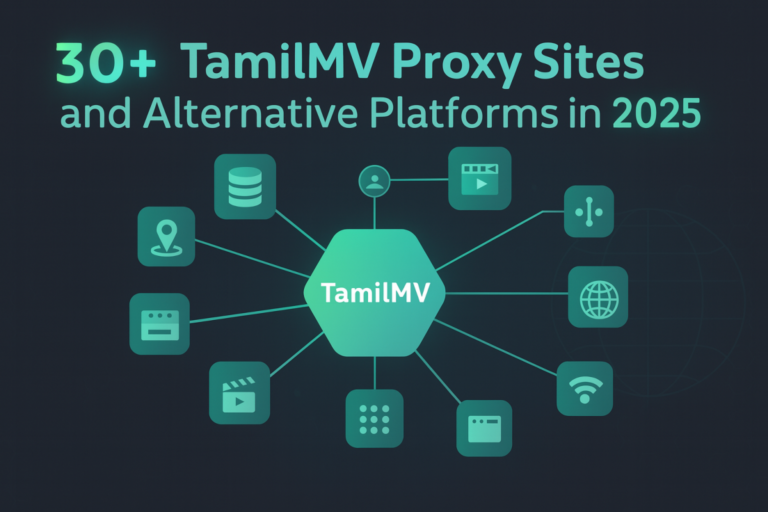
This proxy network is a collection of these intermediary servers and mirror sites—alternative domains that host the exact same content. When the main TamilMV domain is blocked, the operators simply launch a new proxy or mirror site with a different URL.
This is the essence of the “cat-and-mouse” game:
| Anti-Piracy Action | Piracy Site Response |
|---|---|
| Block the main domain (e.g., tamilmv.com) | Launch a new mirror site (e.g., tamilmv.in) |
| Block the new mirror site | Launch a new proxy network (e.g., tamilmvproxy.net) |
| Block the proxy network | Rapidly change the proxy domains and IP addresses |
The recent “overnight change” refers to the dramatic acceleration of this final step: the speed and frequency with which these proxy domains are changed. This shift from a relatively stable set of mirror sites to a highly dynamic, constantly changing proxy network is what has fundamentally changed the landscape.
The Overnight Shift: Analyzing the Impact of the
The move to a hyper-dynamic proxy system was a direct, tactical response to increasingly effective and swift site-blocking measures. This single change had profound and immediate consequences across the entire digital ecosystem.
User Experience: The Frustration of Constant Disruption
For the end-user, the most immediate effect was a significant degradation of the user experience. What was once a relatively seamless process of accessing a mirror site became a frustrating hunt for the latest working URL.
The constant disruption led to several user-side issues:
- URL Hunting: Users must constantly search for the “latest” or “working” proxy link, often leading them to unreliable or malicious third-party sites. The constant hunt for a working proxy often leads users to search for the latest TamilMV Biz Proxy List to restore access.
- Security Risks: The proliferation of fake or temporary proxy sites increases the risk of malware, phishing attempts, and data theft. Users are often tricked into clicking on deceptive links. This highlights The Hidden Costs of “TamilMV” that users often overlook.
- Inconsistent Access: The lifespan of a new proxy URL can be as short as a few hours or days, making reliable, long-term access impossible.
Key Takeaway: The stability of the piracy ecosystem was shattered. The convenience that once drove users to the platform was replaced by uncertainty and risk.
The Technology Arms Race: Proxies vs. Anti-Piracy Tech
The proxy shift intensified the technological arms race between content distributors and piracy operators. Anti-piracy groups are now forced to monitor and block new domains at an unprecedented speed.
The focus has shifted from blocking a few stable domains to blocking entire networks of IP addresses and domain patterns. This requires more sophisticated technology, including:
- Automated Domain Monitoring: Tools that automatically scan the web and social media for new proxy URLs as soon as they are published.
- IP Blocking: Moving beyond DNS filtering to blocking entire ranges of IP addresses associated with proxy and mirror hosting.
- Deep Packet Inspection (DPI): Advanced ISP techniques that attempt to identify and block traffic patterns associated with proxy usage, even if the domain name is new.
However, the proxy operators are also innovating. They are increasingly utilizing decentralized hosting, cloud-based infrastructure, and automated domain generation algorithms (DGAs) to ensure that a new proxy domain is ready to launch the moment the previous one is blocked. This constant back-and-forth drives up costs for both sides.
Economic Ripple Effects on Regional Cinema
The primary goal of site blocking is to protect the economic interests of the film industry. The constant flux of the TamilMV proxy network has a complex and often contradictory impact on this goal.
On one hand, the disruption and instability of the proxy network may deter casual users, pushing them toward legal alternatives. When piracy becomes too difficult or risky, the friction can be enough to drive a user to a subscription service. Academic studies support the idea that effective site blocking can lead to a measurable increase in legal consumption [2].
On the other hand, the sheer persistence of the proxy network demonstrates the underlying, unmet demand for content. The economic damage caused by digital piracy, particularly to regional film industries, remains substantial.
| Economic Impact Area | Pre-Proxy Shift (Stable Domains) | Post-Proxy Shift (Dynamic Proxies) |
|---|---|---|
| User Base | Large, stable, and easily accessible. | Smaller, more dedicated, and highly fragmented. |
| Revenue Loss | High, consistent, and predictable. | Disrupted, but still significant due to rapid content availability. |
| Anti-Piracy Cost | Moderate, focused on legal injunctions. | High, focused on automated monitoring and technical blocking. |
| Legal Consumption | Slow growth, as piracy was convenient. | Accelerated growth, as piracy is now inconvenient and risky. |
The Financial Toll: While precise, up-to-the-minute figures are difficult to obtain, the global cost of digital piracy is estimated to be in the billions of dollars annually, with a disproportionate impact on smaller, regional industries that lack the massive financial buffers of Hollywood studios [3]. The proxy shift is a symptom of this ongoing, costly battle.
Beyond the Block: The Rise of Advanced Access
The instability of this proxy network has inadvertently driven users toward more robust and sophisticated methods of bypassing restrictions. The shift has been a catalyst for the mainstream adoption of Virtual Private Networks (VPNs) and other decentralized technologies.
VPNs: The Evolution from Proxy to Private Network
While a proxy is a simple intermediary, a Virtual Private Network (VPN) creates an encrypted tunnel for all of a user’s internet traffic. The constant failure of simple proxy links has made VPNs the preferred tool for dedicated users seeking reliable, long-term access.
The key difference is reliability and security:
- Proxy: Unencrypted, often slow, and only works for specific web requests. It is easily blocked by IP address.
- VPN: Encrypts all traffic, is generally faster, and is much harder to block, as it masks the user’s entire online identity and location.
The demand for VPN services often surges in regions where site blocking is prevalent, a clear indication that anti-piracy efforts, while effective at blocking simple access, are simultaneously educating users on more advanced circumvention techniques [4].
Mirror Sites and Decentralized Distribution
Beyond the simple proxy, the piracy ecosystem has also embraced more decentralized forms of content distribution. These include:
- Torrenting: The use of peer-to-peer (P2P) networks, which are much harder to shut down than a centralized website. The proxy network often links directly to torrent files, bypassing the need to host the content itself.
- Decentralized Hosting: Using cloud services and distributed file systems to host content, making it difficult for authorities to target a single server or hosting provider.
This move toward decentralization means that simply blocking a URL, even a rapidly changing TamilMV proxy URL, is no longer a sufficient long-term strategy. The content itself is becoming harder to locate and remove.
The Legal Landscape: Global Efforts to Combat Copyright Infringement
The legal response to the dynamic proxy shift has been to seek broader, more proactive injunctions. Instead of targeting one domain at a time, courts are increasingly issuing “dynamic injunctions” that require ISPs to block any new domain that is functionally identical to the original blocked site.
This legal evolution is a direct acknowledgment of the failure of static blocking measures against the fluid nature of this network
- Dynamic Injunctions: These orders place the burden of continuous monitoring and blocking on the ISPs, forcing them to keep pace with the proxy changes.
- International Cooperation: Since proxy servers can be hosted anywhere in the world, effective anti-piracy requires cooperation between international law enforcement and copyright bodies.
The legal system is attempting to catch up to the technological reality, but the constant change in this network continues to test the limits of national and international copyright law.
The Broader Implications: Content Consumption in the
The story of this proxy network is a microcosm of the larger struggle over content distribution in the digital age. It highlights a fundamental tension between content control and consumer demand.
The Paradox of Availability: Why Piracy Persists
The persistence of piracy, despite the inconvenience caused by the shift, points to a “paradox of availability.” Piracy often thrives not just because content is free, but because it is easier to access than legal alternatives.
Factors driving this persistence include:
- Geographic Restrictions (Geo-blocking): Legal content is often restricted to specific regions, leaving a global audience with no legal option.
- Fragmented Streaming Market: Consumers are unwilling to subscribe to a dozen different streaming services to access all the content they want. Piracy offers a single, consolidated library.
- Delayed Releases: Regional films are often released in different countries at different times, creating a window of opportunity for piracy.
The TamilMV proxy provides a single point of access that cuts through this fragmentation and restriction, which is a powerful draw for users, even with the added risk and inconvenience.
The Role of Legal Streaming Services
The most effective long-term solution to the proxy problem is not better blocking, but better legal alternatives. The rise of regional streaming platforms has begun to address the core issues that fuel piracy.
- Consolidated Libraries: Services that focus on regional content (Tamil, Telugu, etc.) offer a legal, high-quality alternative to the pirated libraries.
- Simultaneous Global Release: Releasing films on streaming platforms simultaneously with or shortly after their theatrical release eliminates the piracy window.
- Affordable Pricing: Competitive and flexible subscription models make the legal option more appealing than the risky, unstable TamilMV proxy route.
The battle is shifting from a purely technical one (blocking proxies) to a market-driven one (out-competing piracy on convenience and value).
A Call for Sustainable Content Distribution Models
The constant change in the TamilMV proxy network is a clear signal that the current model of content distribution is unsustainable. A truly effective solution requires a collaborative approach that addresses the root causes of piracy.
This includes:
- Global Licensing: Streamlining international licensing to ensure content is legally available worldwide at the same time.
- Technological Innovation: Investing in secure, user-friendly legal platforms that offer a superior experience to piracy sites.
- Consumer Education: Clearly communicating the ethical and economic reasons for supporting legal content creation.
The dynamic nature of the TamilMV proxy is a constant reminder that for every lock, there is a key, and the most effective lock is one that the user chooses not to pick.
Navigating the New Reality: A Guide for the Digital
The shift to a dynamic TamilMV proxy system has made the act of accessing pirated content riskier and more complex. For the digital consumer, understanding this new reality is crucial.
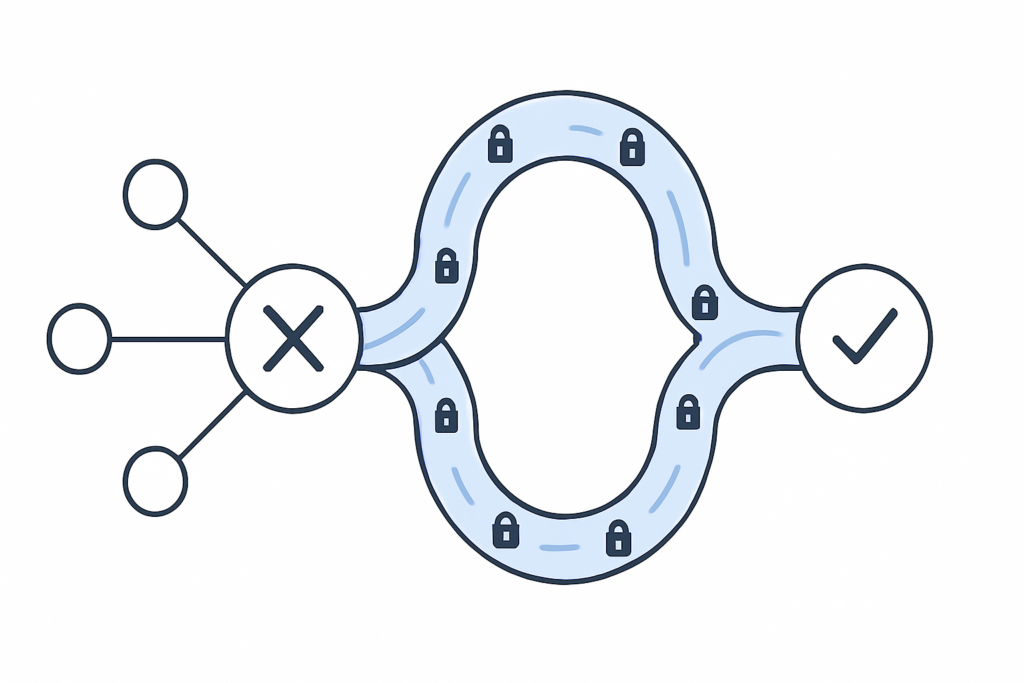
Recognizing the Risks of Unofficial Access
The biggest danger in the new, fragmented proxy landscape is not the legal risk, but the cybersecurity risk. The hunt for a working TamilMV proxy often leads users to malicious websites.
The risks include:
- Malware and Viruses: Fake proxy sites are often loaded with malicious code designed to infect your device.
- Phishing and Scams: Users may be tricked into entering personal information or credit card details on deceptive pages.
- Adware Overload: The legitimate proxy sites themselves are often heavily monetized with intrusive, often harmful, advertisements.
Bold Key Takeaway: The constant search for a new TamilMV proxy significantly increases your exposure to online threats.
The Ethical Choice: Supporting Content Creators
Ultimately, the choice to use a TamilMV proxy is an ethical one. The regional film industries, which produce some of the world’s most vibrant and innovative cinema, rely heavily on box office and legal streaming revenue.
Every legal view, every subscription, and every ticket purchased directly supports the thousands of artists, technicians, and crew members who bring these stories to life. The economic impact of piracy is not just a loss for a large studio; it is a direct threat to the livelihood of an entire creative ecosystem.
Conclusion: The Enduring Legacy of the TamilMV Proxy
The overnight change in the TamilMV proxy network was a watershed moment in the digital piracy battle. It marked the end of an era of stable, easily accessible piracy domains and ushered in a new age of dynamic, decentralized, and technologically sophisticated circumvention.
The shift proved two things:
- Anti-piracy efforts are working: The constant disruption shows that site blocking is effective enough to force piracy operators into a costly and inconvenient game of perpetual motion.
- Demand remains high: The persistence of the proxy network, despite the inconvenience, proves that a massive, global audience still has an unmet need for accessible regional content.
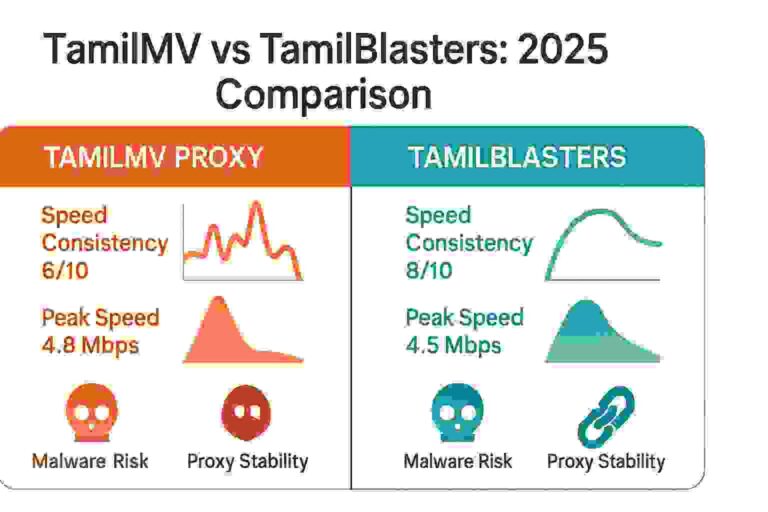
The future of content distribution will be defined by how legal services respond to this demand. The most powerful weapon against the TamilMV proxy is not a court order, but a superior product—one that offers better convenience, better quality, and better value than any pirated alternative. The ongoing debate over which platform is more effective is often summarized in comparisons like TamilMV Proxy vs TamilBlasters: Which is Better.
Strong Call-to-Action (CTA)
Support the future of regional cinema. Stop the cycle of proxy hunting and subscribe to a legal streaming service today to enjoy high-quality, secure, and ethical access to your favorite films.
Frequently Asked Questions
Q: Why does the TamilMV proxy keep changing so often?
A: The TamilMV proxy changes frequently as a direct response to anti-piracy efforts. When a proxy domain is identified and blocked by an Internet Service Provider (ISP) under a court order, the operators quickly launch a new domain to restore access, creating a continuous, dynamic cycle of blocking and unblocking.
Q: Is it safe to use a TamilMV proxy or mirror site?
A: No, it is generally not safe. The constant search for a working TamilMV proxy often leads users to malicious third-party sites that can contain malware, viruses, or phishing scams designed to steal personal information. Legal and security risks are significantly higher with these unofficial sites.
Q: What is the difference between a proxy and a VPN for accessing content?
A: A proxy is a simple intermediary that routes your request through a different server, often unencrypted. A VPN (Virtual Private Network) creates an encrypted tunnel for all your internet traffic, offering a much higher level of security, privacy, and reliability than a simple TamilMV proxy.
Q: Has the proxy change reduced digital piracy?
A: The change has certainly made piracy more inconvenient and fragmented the user base, which can push casual users toward legal alternatives. However, dedicated users have simply shifted to more robust circumvention methods like VPNs, meaning the overall volume of piracy remains a significant challenge for the film industry.
Q: What are the legal alternatives to using a TamilMV proxy?
A: The best legal alternatives are regional streaming services that specialize in South Asian cinema. These platforms offer high-quality, secure, and ethical access to a vast library of films, often with simultaneous global releases, directly supporting the content creators.